
Benefits and Drawbacks of Casino Privacy Settings
Understanding Privacy Settings at Need For Spin Casino
At Need For Spin casino, privacy settings shape how much control you have over personal details, promotional contact, login security and responsible gambling tools. Privacy is not a single switch. It is a group of choices selected during sign-up, in your profile, through verification documents, and through the security options you turn on after your first login. For new players, the registration page is the first privacy-relevant step; for returning players, each login is where security becomes noticeable. We take a practical view: privacy controls present real benefits, but they also carry trade-offs such as reduced personalisation, slower customer support in some cases, or extra verification steps during withdrawals. This guide explains the account journey from registration and KYC to login recovery and two-factor authentication, so you can decide which privacy settings are worth enabling and which default options deserve a second look. We also differentiate legal requirements from optional preferences, because that distinction stops unrealistic expectations about anonymity.
We encourage you to read the privacy policy accessible from the Need For Spin site before completing registration. That document clarifies which third parties process your payment data, how long records are retained, and what rights you hold over personal information. The pros and cons of privacy settings become clearer when you see them as a balance between regulatory identity requirements and personal control. For example, a player who disables marketing consent obtains fewer distracting messages but still obtains important account or payment notices. A player who restricts device tracking may be required to complete additional verification when logging in from a new location. None of these settings cause your gambling history invisible to the operator. They do, however, constrain how your details are used for secondary purposes, which is a meaningful protection for many account holders. We consider privacy as a layered system: core identity data is mandatory, preference data is adjustable, and technical data should be reviewed regularly rather than accepted by default.
Cookie data, Device Tracking, and Session Data
Remembered devices and location verifications
Cookies, device identification and session data sit behind the scenes, but they impact both comfort and confidentiality. Cookie data can retain your login status, language and monetary unit, which makes coming back to the casino easier. They also assist the platform identify unusual activity, such as a sign-in from a new country or a quick alteration in equipment. The data protection balance is that persistent tracking can build a detailed picture of your browsing patterns, which could be employed for data analysis or personalization. We recommend checking the cookie controls found in the page banner or data protection policy and opting for the narrowest option that still supports safety. Rejecting all cookies may log you out repeatedly or activate extra verification, while approving all without review may enable more monitoring than you want. Remembered devices are analogous: they reduce effort, but they should be removed from communal devices. Location checks are a protective mechanism, not a personal slight, and they often turn more rigorous when account activity seems abnormal.
Account Security, Password Protection, and Two-Factor Authentication
Password practices and account recovery
Login security is the most apparent privacy setting because it governs who can access your account and what happens when a new device appears https://needforspins.eu/el-gr/login/. We advise a one-of-a-kind password that you never repeat on email, social media or other gambling sites, kept in a reputable password manager rather than in a browser note. Two-factor authentication adds a second step, typically a code from an authenticator app or a message to your phone. It slows a login by seconds but renders a stolen password far less effective to an attacker. Recovery options require equal attention: maintain your recovery email valid, audit trusted devices, and clear old sessions after using a shared computer. If the casino has login alerts, turn on them, because an unexpected notification is often the first sign that someone is trying your credentials. These measures do not make you anonymous, but they protect the account data that privacy settings are meant to safeguard.
Withdrawals, Payment Privacy, and Verification Triggers
Why withdrawals attract extra checks
Withdrawals attract extra scrutiny than deposits because money leaving the casino is a higher-risk event. The operator needs to verify that the payment method is in your name, that your identity matches the account and that the funds have no connection to fraud or money laundering. This is why a first withdrawal can prompt a request for KYC documents, a selfie, a bank statement or a short video call. We consider these checks as a trade-off: they require more personal information and can delay payment, but they also complicate for someone who has taken over your account to cash out. To reduce friction, ensure your profile details consistent, use a payment method in your own name and finish verification before requesting a large withdrawal. If a check appears excessive, ask for the specific reason and the policy clause behind it. A calm, factual request generally elicits a clearer answer than an angry message.
Identity Confirmation and Compliance Documents
Required documents
Identity verification, often called KYC or know your customer, is where privacy intersects with legal duty. To verify your account, Need For Spin casino may require a government-issued photo ID such as a passport or driving licence, a recent proof of address such as a utility bill or bank statement, and sometimes a proof of payment method such as a card screenshot showing only relevant digits. We advise providing clear, unaltered documents and hiding any information that is not requested, such as unrelated account numbers or transaction histories. The operator needs enough evidence to link your identity to the account and to meet anti-money-laundering rules, but it does not require a full copy of your life story. A common mistake is submitting a document that is cropped too tightly or photographed in poor light, which leads to repeated requests and a longer review period. Good document hygiene shields you as much as it appeases the compliance team.
Timing and privacy considerations
Time is important because verification can be required at registration, before a first withdrawal, or when a payment method changes. We prefer to complete verification early, while there is no urgent withdrawal pending, because that reduces pressure and offers the player time to ask questions. The privacy trade-off is tangible: you submit sensitive documents with the operator and, in some cases, with regulated third-party verification providers. In return, you obtain a more secure account, faster withdrawal reviews and clearer protection against identity fraud. We advise checking the privacy policy for how long KYC records are kept and who can see them. If a document request feels unusually broad, ask customer support to clarify exactly which fields are required and whether a redacted version is acceptable. A calm, documented exchange is usually more effective than rejecting verification outright, because core checks are a condition of using a licensed gambling service.
The Registration Process and Necessary Information
The registration process
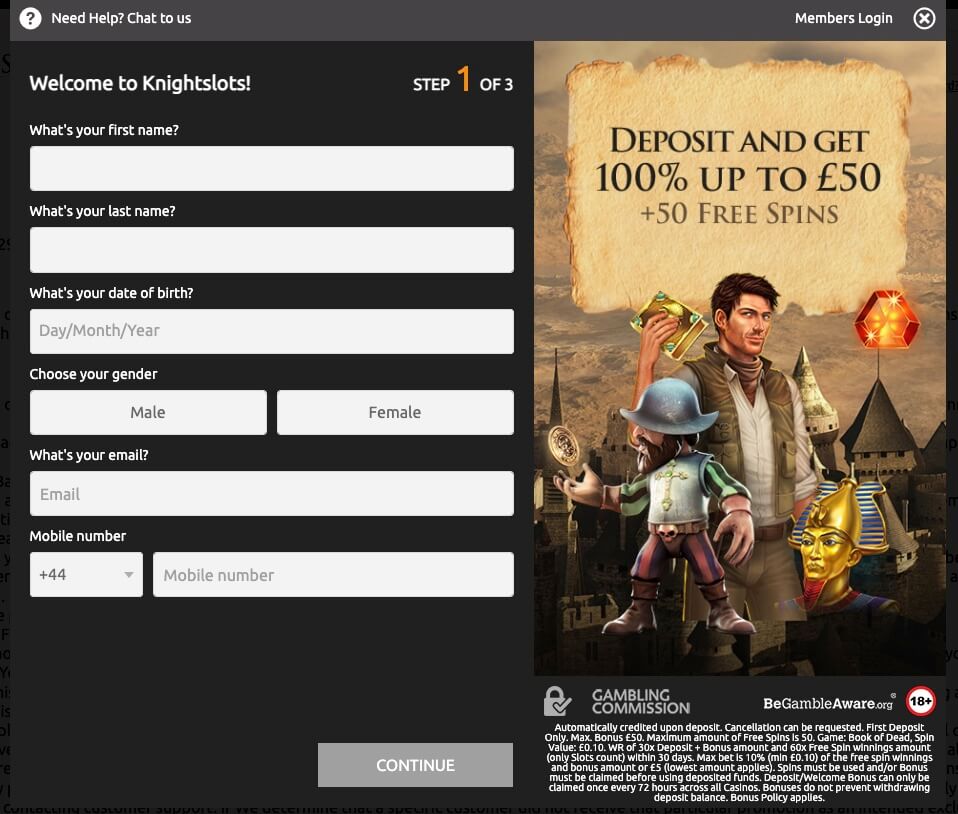
Creating an account at Need For Spin casino has a structured path intended to combine ease of access with compliance. Initially, you select the login or register button and provide a valid email address, a unique username if required, and a strong password. You then select your preferred currency and verify that you meet the legal gambling age in your jurisdiction. Some registrations request your full name, date of birth, residential address and telephone number at this stage, while others collect a reduced set of details and request the rest during verification. After submitting the form, you usually receive an email with a confirmation link. Tapping that link enables the account and validates that the email address belongs to you. We suggest finishing this step on a private connection rather than a public network, and holding the confirmation email until your profile is fully verified. This simple habit minimizes the chance that a shared device or an old email inbox becomes a weak point in your account security.
Our requested information and reasons
The personal information requested during sign-up is not gathered for marketing convenience alone. Your legal name and date of birth are used to establish eligibility, avoid underage gambling and create a responsible gambling record. Your address assists the risk team check that payment methods and device locations are consistent, reducing the risk of account takeover or payment fraud. Your telephone number can function as a recovery method or a secondary security step, but you may be able to choose whether it receives promotional messages. Because Need For Spin casino operates in a regulated online gambling environment, failing to provide core identity details will typically prevent registration. The practical approach is to supply the minimum required accurately, refrain from using a nickname in the full-name field, and later check which non-essential communications you wish to receive. We also recommend using an email address that you check closely, because verification notices, withdrawal updates and security alerts often appear there first.
Marketing Preferences and Message Management
Opting in and out without forgoing essential notices
Promotional choices are where data preferences feel most immediate. When you opt out of marketing emails, SMS messages or push notifications, the notification area becomes quieter and the account experience feels less promotional. The trade-off is that you may lose promotional deals, competition alerts or personalised rewards that other players get. We separate operational notices and advertising content: password recovery emails, payout notifications, security alerts and gambling awareness messages should still arrive even when advertising approval is withdrawn. A user-friendly settings panel lets you choose channels separately, so you might maintain email for account updates while declining SMS promotions. We recommend examining these options after creating an account and again after any important profile modification, because permission settings can be updated or adjusted when policies are revised. If a message feels confusing, reach out to help whether it is a service notice or a advertising content, and adjust your preferences in response rather than overlooking the difference.
Safe Betting Tools and Data Protection Balances
Restrictions, time-outs, and self-exclusion
Safe betting tools are sometimes viewed as a distinct topic, but they are intimately connected to privacy. Deposit restrictions, loss caps, session reminders, breaks and voluntary ban all depend on precise account data and on the operator’s ability to track activity. A player who prioritizes privacy may be reluctant to use these tools because they reveal trends of play, yet the same tools provide the most robust protection against unintended losses. We recommend players to activate limits before they need them, because a limit defined in calm conditions is more dependable than a decision taken during a down streak. The privacy compromise is minor: the operator already sees your transactions, and a limit simply formalises a boundary. Time-outs and self-exclusion go further, often blocking marketing contact and access for a set period. That constraint can seem intrusive, but it is meant to create breathing space. We view these controls as part of a well-considered privacy plan rather than an admission of weakness.
Combined, the benefits and drawbacks of casino privacy settings reduce to knowledgeable balances rather than a single perfect configuration. We suggest a practical baseline: provide precise core identity data, complete verification early, use a unique password with 2FA, check marketing consent channel by channel, and keep device tracking at the most limited setting that still supports security. Then review those choices after your first withdrawal and after any update of phone, email address or payment method. The goal is not to hide from the operator’s view, which is unrealistic in a regulated environment, but to restrict additional use of your data while keeping the measures that render your account safer. If you are doubtful about a setting, ask support for a simple explanation and note the answer. A measured, documented approach offers you more control than turning everything off in frustration and then missing access to key service messages.
FAQ
Can privacy settings at Need For Spin casino optional?
Certain are elective and others are not. Primary identity data, KYC documents and security checks are required because the casino operates under gambling and anti-money-laundering rules. Marketing consent, cookie preferences, login alerts and some device settings are typically modifiable. We advise considering mandatory checks as a prerequisite of using the service and directing your choices on secondary uses of data, such as promotional contact and analytics tracking.
Does opting out of marketing halt all messages from the casino?
No way. Opting out of marketing ought to stop promotional emails, SMS messages and push notifications, but it ought to not stop service messages. Password resets, withdrawal confirmations, security alerts and responsible gambling notices are component of account administration and usually continue. If you receive a message that appears promotional after opting out, ask support to verify whether it is a service notice or a marketing communication, then adjust your channel preferences if necessary.
Does two-factor authentication diminish my privacy?
2FA adds a minor amount of private information, usually a telephone number or an verification app, but it substantially enhances account security. We see it as a privacy-friendly option because it helps prevent illegitimate access to the identity and financial data already stored in your account. The main trade-off is ease of use: logging in takes a few extra seconds, and you must keep your recovery method current. If you get a new phone, modify the setting quickly to avoid being shut out.
Why would a withdrawal need more validation than a deposit?
A withdrawal requires more validation because money is being taken from the casino and the company must verify that the account owner and payment option are authentic. This protects against deception, account hijacking and financial laundering. The reviews can feel overbearing, but they also make it harder for someone who has gained entry to your account to take money. We recommend finishing KYC ahead of time and holding your profile details consistent so that a first withdrawal is not as likely to prompt multiple document requests.
Can I use the casino without the need of accepting cookies?
You can usually decline non-essential cookies, but some essential cookies are necessary for login, security and payment functions. Preventing all cookies may cause repeated logouts, broken pages or extra verification steps. We suggest using the cookie banner or privacy policy to approve only what is essential for security and basic functionality, then reject analytics and advertising cookies where the option exists. If the site becomes hard to use, examine the essential-cookie explanation before changing your browser settings.
How should I proceed if I think my privacy settings were overlooked?
Begin by gathering evidence: screenshots of the setting, dates, and any messages you received after changing it. Then contact customer support in writing and demand a specific explanation rather than a general assurance. If the response is vague, ask for escalation to the privacy or compliance team and cite the relevant policy section. We suggest keeping the exchange factual and calm. If the issue remains unsolved, you can use the complaint route listed in the casino’s privacy policy or get in touch with the relevant gambling regulator.